🌟Brought to you by Thoughts With Sharon 🌟
Introduction
At some point in life, nearly everyone experiences periods of darkness—times when inspiration feels out of reach, progress stalls, and life seems like it has ground to a halt. These are the moments when you feel you’ve hit a brick wall: your energy wanes, motivation disappears, and even the things you once enjoyed may no longer bring fulfillment.
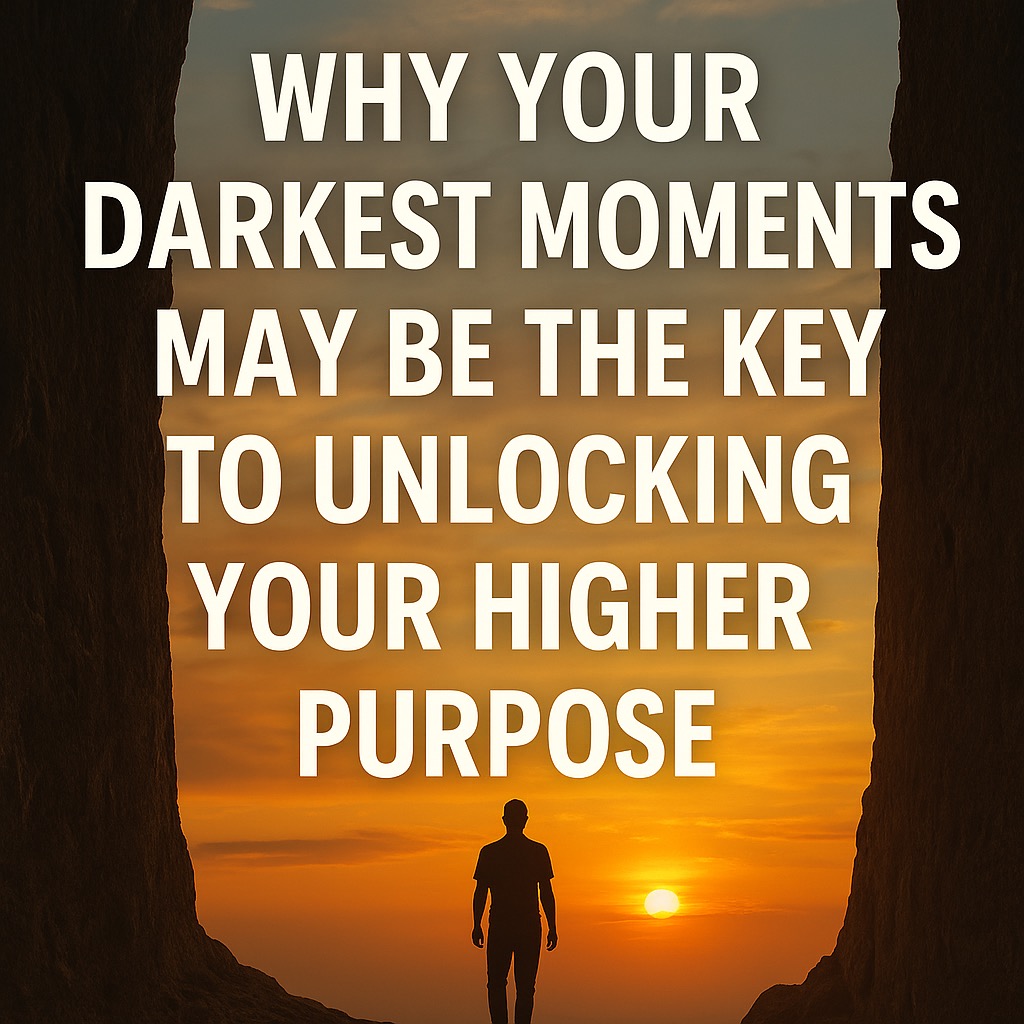
But while these “stuck” moments can be painful and disorienting, they are also powerful turning points. Rather than being signs of failure, they may indicate that your life is preparing you for growth, transformation, and alignment with a higher purpose.
In this article, we’ll explore why people feel stuck, how to recognize when you’ve entered such a stage, and—most importantly—strategies to break free and expand your horizons. Along the way, we’ll weave in research, statistics, and practical methods that can help you reignite inspiration and move forward with clarity.
Why Do People Feel Stuck in Life?
There are many reasons why adults between the ages of 25 and 65—across genders, cultures, and socioeconomic backgrounds—report feeling uninspired or stagnant. These factors often overlap:
1. Lack of Alignment with Purpose
When daily routines no longer match inner values or long-term aspirations, people begin to feel disconnected from themselves. A Gallup survey revealed that 85% of people worldwide are disengaged at work, with many citing lack of meaning as a central issue.
2. Burnout and Stress
The American Psychological Association reports that 77% of adults experience stress that affects their physical health, while 73% experience stress that impacts their mental health. Prolonged stress and burnout sap creativity and motivation, leaving people feeling trapped.
3. Fear of Change or Failure
Stagnation can be a defense mechanism. People often stay in unfulfilling situations—relationships, careers, or routines—because they fear the uncertainty of change. The comfort of “known misery” can feel safer than the risk of “unknown possibility.”
4. Life Transitions
Periods such as quarter-life crises, midlife transitions, or empty-nest adjustments often trigger feelings of being stuck. A Harvard Business Review study suggests that nearly 60% of professionals experience a “mid-career crisis” that forces them to question their purpose.
5. Mental and Emotional Struggles
Depression, anxiety, and unresolved trauma are significant contributors to feelings of being blocked. According to the National Institute of Mental Health, more than 1 in 5 U.S. adults live with a mental illness, many of whom report feelings of emptiness or stagnation.
Recognizing When You’re in a Stuck Phase
Often, people push through dark times without fully realizing they are in one. Recognizing the signs is the first step toward change.
Emotional Indicators
- Constant fatigue or lack of motivation
- Irritability or emotional numbness
- Persistent self-doubt or negative self-talk
Mental Indicators
- Difficulty focusing or making decisions
- Feeling like every day blends into the next
- Lack of interest in goals that once mattered
Behavioral Indicators
- Procrastination and avoidance behaviors
- Over-reliance on distractions (scrolling, TV, etc.)
- Isolating from friends or family
If these symptoms persist, they are often signals that you’re not just “tired” or “lazy”—but that life is calling you to pause, reassess, and seek realignment.
Could There Be a Higher Purpose Behind Feeling Stuck?
Feeling uninspired can serve as a signal rather than a setback. Often, it’s a message that the life path you’re on no longer fits who you are becoming. Psychologists call this post-traumatic growth—the process by which struggles and crises become catalysts for transformation.
Spiritual traditions echo this. Across cultures, periods of “dark night of the soul” are seen as threshold moments—precursors to new clarity, wisdom, and purpose.
In other words: you may feel stuck not because you’re failing, but because you’re being redirected.
Statistics on Stagnation and Renewal
To highlight how common this struggle is:
- A 2023 LinkedIn study found that over 40% of professionals plan career changes within 2 years, many citing lack of fulfillment as their reason.
- The National Institute on Aging reports that 25–30% of midlife adults experience periods of crisis or stagnation.
- According to research from the University of Rochester, individuals who actively cultivate self-awareness are twice as likely to report life satisfaction after periods of difficulty.
- In a study on resilience published in the Journal of Positive Psychology, 70% of people who practiced reflection, gratitude, and purposeful goal-setting reported breaking free from feelings of stagnation within 12 months.
These numbers affirm that while dark moments are widespread, recovery and renewal are not only possible—they are highly probable when people embrace growth strategies.
Strategies to Break Through Dark Moments
The good news: there are practical ways to move from stagnation to expansion. Below are strategies that combine psychology, coaching techniques, and personal growth practices.
1. Cultivate Radical Self-Awareness
Self-awareness is the cornerstone of transformation. Journaling, meditation, or working with a coach can help you ask:
- What am I resisting right now?
- What brings me energy and what drains it?
- Where am I not living in alignment with my values?
According to a study in Organizational Behavior and Human Decision Processes, individuals with higher self-awareness are 33% more effective at navigating career transitions.
2. Redefine Success
Sometimes feeling stuck comes from measuring life against outdated or external standards. Ask yourself: What does success look like for me at this stage of life?
A 30-year-old parent, a 45-year-old entrepreneur, and a 60-year-old retiree will each define “success” differently. Reframing your personal definition can unlock new pathways.
3. Shift Your Environment
Our environments influence our moods and decisions. Small changes—like rearranging your workspace, taking daily walks in nature, or traveling—can spark fresh energy. Research shows that spending 120 minutes per week in naturesignificantly improves well-being and creativity.
4. Embrace Micro-Goals
When you feel paralyzed, large goals can feel overwhelming. Instead, focus on small, daily wins. Studies show that achieving micro-goals releases dopamine, which boosts motivation and makes progress feel attainable.
For example:
- Write 200 words a day instead of finishing a book.
- Commit to 10 minutes of exercise instead of an hour.
- Reach out to one supportive friend instead of overhauling your social life.
5. Reconnect with Passion Projects
Creative outlets often rekindle inspiration. Whether it’s art, music, cooking, or volunteering, passion projects remind you that joy and purpose are not limited to your career or current challenges.
6. Build a Resilient Mindset
Resilience is built through practice. Affirmations, gratitude journaling, and reframing setbacks as lessons help strengthen the mind against future dark moments.
In fact, resilience research by the American Psychological Association found that resilient individuals are 60% more likely to report life satisfaction even during high stress.
7. Seek Guidance and Mentorship
Sometimes the best way out of stagnation is with help. A coach, therapist, or mentor can provide tools, accountability, and perspective. According to the International Coaching Federation, 80% of people who engage with coaches report improved self-confidence, and 70% improve performance at work.
8. Practice Spiritual Grounding
For many, prayer, meditation, or mindfulness are gateways to higher clarity. Spiritual practices offer perspective: you are part of something larger, and your struggles may be guiding you to serve in new ways.
9. Take Bold, Aligned Action
At some point, progress requires courage. Whether it’s leaving a stagnant job, starting a new project, or setting boundaries in a toxic relationship, decisive action is often the catalyst for momentum.
As motivational speaker Tony Robbins says, “A real decision is measured by the fact that you’ve taken new action. If there’s no action, you haven’t truly decided.”
Long-Term Horizons: From Stuck to Expanded
Breaking free from dark moments is not just about relief—it’s about expansion. Once people move beyond stagnation, they often experience:
- Greater clarity about their purpose
- Increased resilience for future challenges
- More fulfillment in relationships and work
- A stronger sense of contribution to others
In fact, research suggests that post-crisis growth often leads to higher life satisfaction than before the crisis. What feels like a dead end today could very well be the beginning of a breakthrough tomorrow.
Conclusion: Your Brick Wall Is a Gateway
If you feel uninspired, stuck, or as though you’ve hit a brick wall, know this: you are not broken. You are being invited to pause, reflect, and realign. These dark moments, while painful, may be the very catalysts that push you into a life of greater purpose and fulfillment.
Statistics show that most people who embrace self-awareness, resilience, and action do break free—and often emerge stronger, wiser, and more inspired than before.
So take heart. Your brick wall isn’t the end of the road. It may just be the gateway to a horizon wider and more beautiful than you’ve yet imagined.
✨ Looking for More Help?
If you’re ready to break through the darkness and rediscover your purpose, consider working with me as your personal coach. Together, we’ll uncover clarity, build resilience, and create a roadmap toward the life you deserve.
🌐 Visit thoughtswithsharon.com to schedule your appointment today. In-office and virtual sessions are available—so no matter where you are, support is within reach.
 Thoughts with Sharon LLC
Leave a comment